On Display at Gallery Obscura: Forgotten Rivertown
CCSF’s Gallery Obscura opens with Forgotten Rivertown by Jesus Alvarez III, a photo series capturing Old Antioch’s culture amid rapid change.
By Karim Farahat
The Photography Department’s first exhibit of the semester in their Gallery Obscura features Jesus Alvarez III’s Forgotten Rivertown. The project offers a unique perspective on Rivertown, also known as Old Antioch, a culturally rich community on the Northwest side of Antioch.
Antioch is undergoing a major revamp, marked by the construction of new buildings and a transformation of the neighborhood. In the wake of these changes, Alvarez sought to document the raw and authentic community in which he grew up. ”Before any of the old foundations or even some of the old businesses go away, I wanted to make sure that I documented them,” he said.
Although the project had been simmering in the back of Alvarez’s mind for some time, it wasn’t until he took Photo 102 B, Mark Murmann’s documentary photography class, that he began working on it. The class focuses on telling a compelling story and documenting a cause through still photos. As the semester progressed, both Murmann and Alvarez agreed that “there was a there,” and a strong photo series was taking shape.
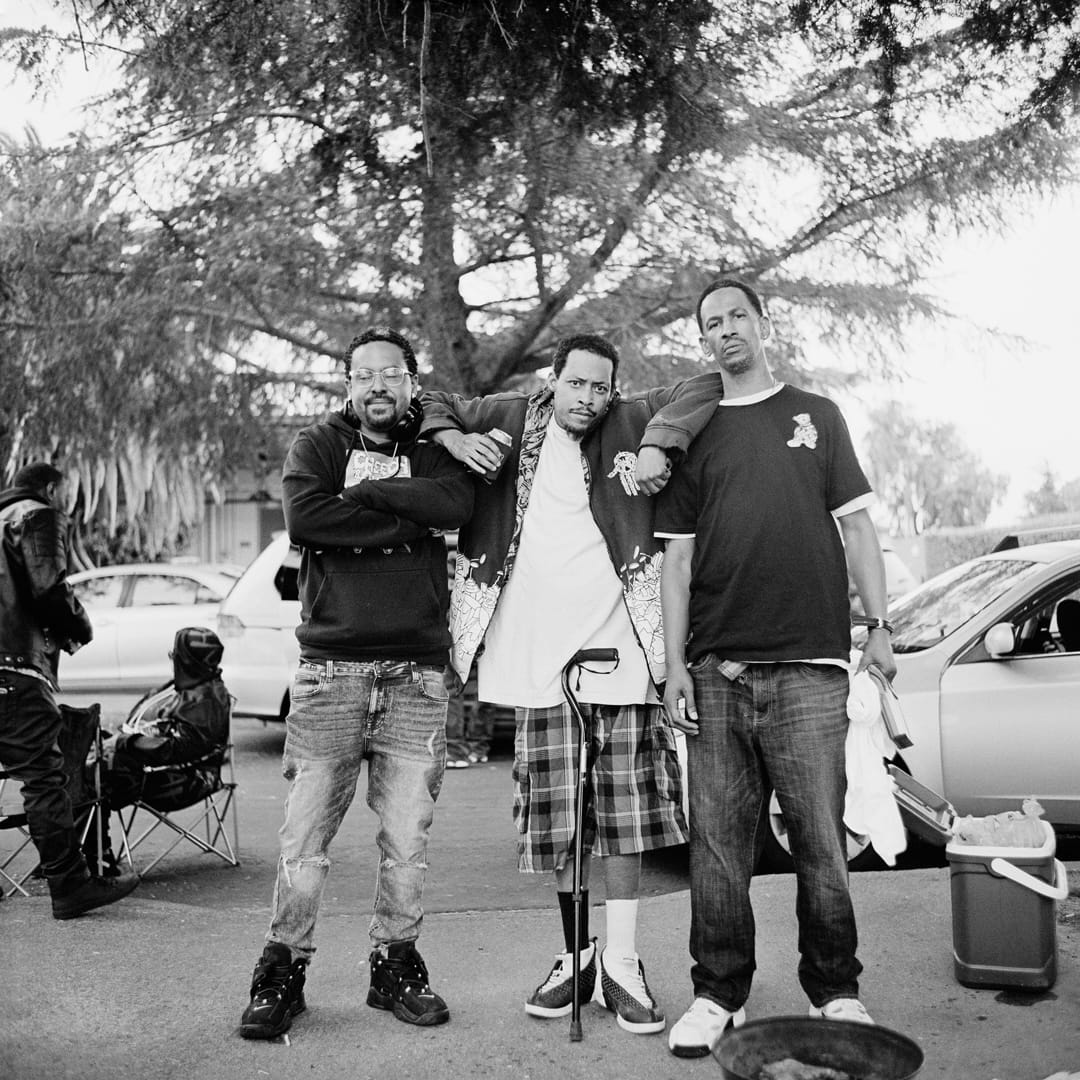
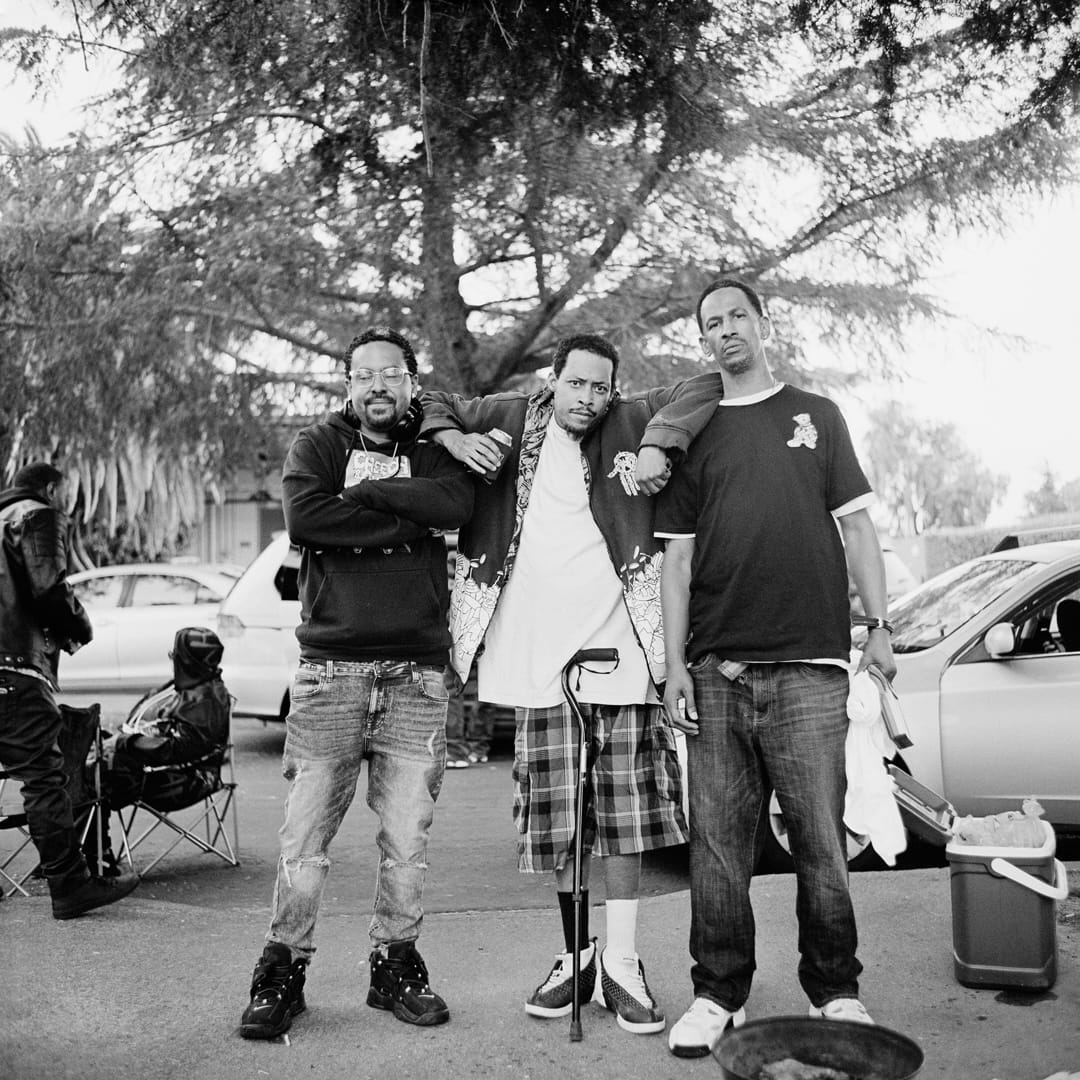
One of Murmann’s favorite photos from the exhibit is a simple portrait of three men standing beneath a tree, whom he feels embody Rivertown and its rich yet buried culture. “A lot of people in the Bay Area kind of look down on Antioch in a big way, but to the people who live there, it’s their home, it’s their community, and they are proud of it, and I think that this photo really shows that,” he said.
When gallery director Sarah Christenson asked Murmann for a project to nominate for the Gallery Obscura, Forgotten Rivertown immediately came to mind. Murmann nominated Alvarez’s work in part to encourage him to continue to document the Rivertown community after the semester was over.
Beyond adding to this project, Alvarez wants to document communities along the Delta and the Sacramento River that also possess a rich and historic culture, which is largely unknown to the rest of the Bay Area. Since he got his license in high school, Alvarez would drive through these towns and occasionally hang out with friends there. With increased visibility and development threatening the authenticity of these communities, Alvarez hopes to reveal the abundance of culture before it gets dimmed or displaced.
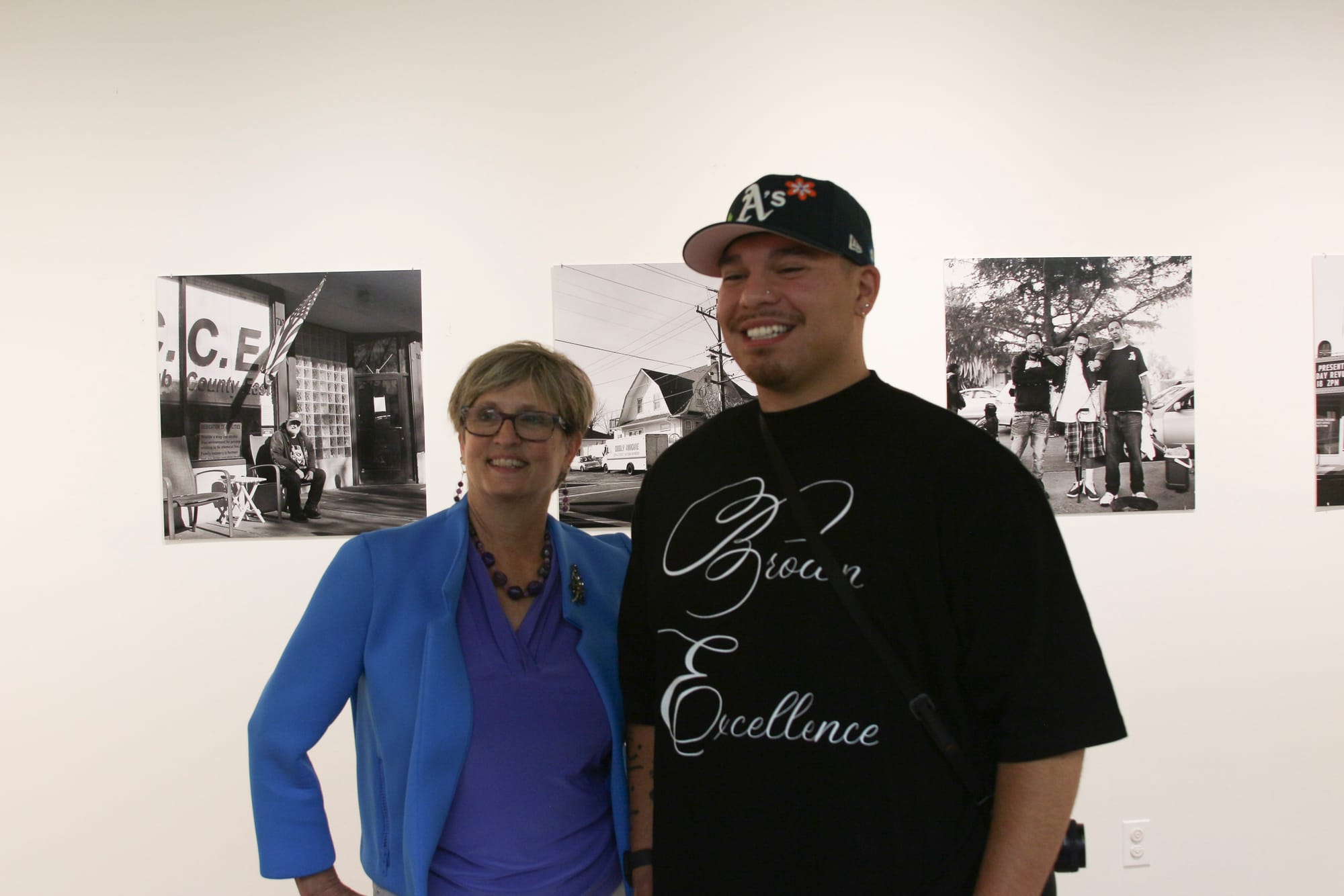
Initially, approaching strangers and asking permission to take their photo was uncomfortable for Alvarez, but as the project progressed, he was able to integrate himself into the neighborhood in a new way. “I don’t feel like a stranger in my own town anymore,” he said. Through building his reputation and understanding of the community, he captured more intimate and authentic shots. He also now benefits from some free meals at some of the Rivertown restaurants.
This marks the photographer’s first exhibition, but he hopes to have a showcase in Rovertown soon. “I just want people to feel seen… I know they don’t always see themselves in the most positive way, so it would be a nice change of pace for them,” Alvarez said.
For the gallery’s opening on September 3, around 50 people showed up to catch a glimpse of Alvarez’s work, including Chancellor Kimberlee Messina, Executive Assistant Mary Esteban, and Dean Erin Denney.
This marks the first of two exhibits that the Gallery Obscura will be showcasing this semester. In mid-October, Alvarez’s Forgotten Rivertown will be replaced by a project from Don Collier, a City College photo student and winner of the Spring 2025 Cherkis Scholarship, which awards an exhibition and $1000.
Forgotten Rivertown will be accessible in the Visual Arts Center. The photo lab is open on Mondays (9 a.m. - 9:45 p.m.), Tuesdays (1 p.m. - 9:45 p.m.), Wednesdays (1 p.m. - 9:45 p.m.), Thursdays (9 a.m. - 9:45 p.m.), and Saturdays (9 a.m. - 2:45 p.m.).