Journalism Department Chair Juan Gonzales Recognized with National SPJ Award
For nearly half a century, Juan Gonzales, founder of El Tecolote and chair of City College’s Journalism Department, has shaped San Francisco’s newsroom culture through mentorship and community reporting. Now, as he receives the Society of Professional Journalists’ Distinguished Teaching in Journalis
By John R. Adkins
jradproduction@gmail.com
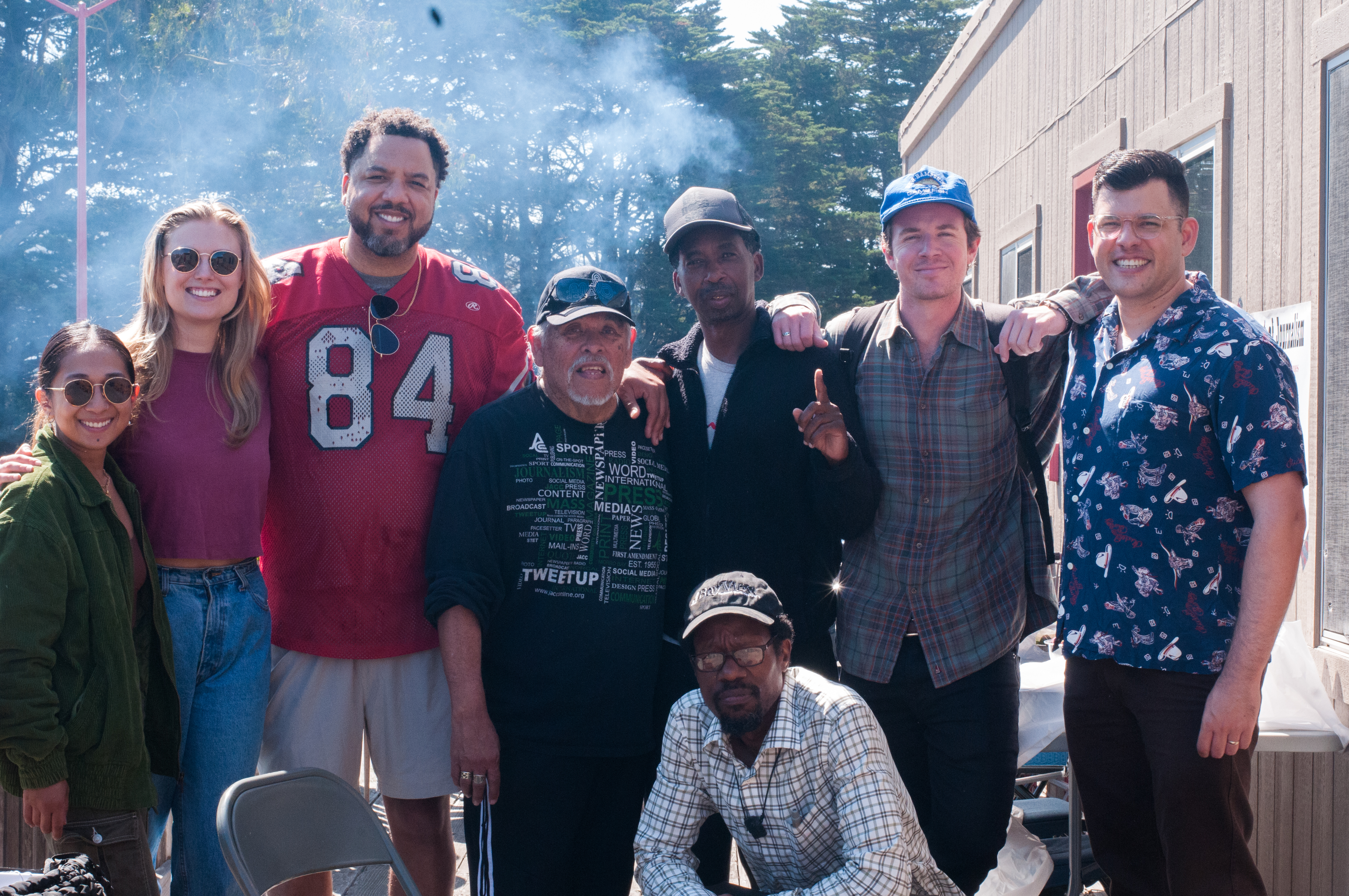
For nearly half a century, the modest force that formed El Tecolote has been shaping San Francisco newsrooms from a corner of City College. Most afternoons, Juan Gonzales sits among his students, trading story pitches and banter. Some merely pass through on their way to other majors, while others continue to return year after year to the world that Gonzales built.
When Gonzales was first notified of his award, he didn’t think much of it. He printed off the email and read it aloud at a Guardsman meeting, just as he does with any other press release. Awards blend into the walls of the newspaper headquarters. His own trophies gather dust in the backdrop behind his office chair.
The overlooked email, however, had notified the Journalism Department chair that he’d been awarded the Distinguished Teaching in Journalism Award by the Society of Professional Journalists. The honor is the top prize for journalism education in the country.
“It was actually shocking,” Gonzales said. “When I first heard, I thought it was a local award. And then, as I was told by the Society of Professional Journalists, this was a national award, given to only one person.”
For 40 years now, Gonzales has served as chair of City College’s Journalism Department, teaching core newswriting classes and advising its award-winning, student-run publication.
“This isn’t just well deserved, this is overdue,” said Alex Mullaney, a former Guardsman editor turned instructor for the program. A young Mullaney once sought a career as a firefighter, but when he learned the fire department wasn’t hiring, he enrolled in a Newswriting course with Gonzales.
“Juan told me I had a knack for it at the end of the class, so I continued the program,” Mullaney said. "Now it's time for the country and beyond learn what we in San Francisco already know.”
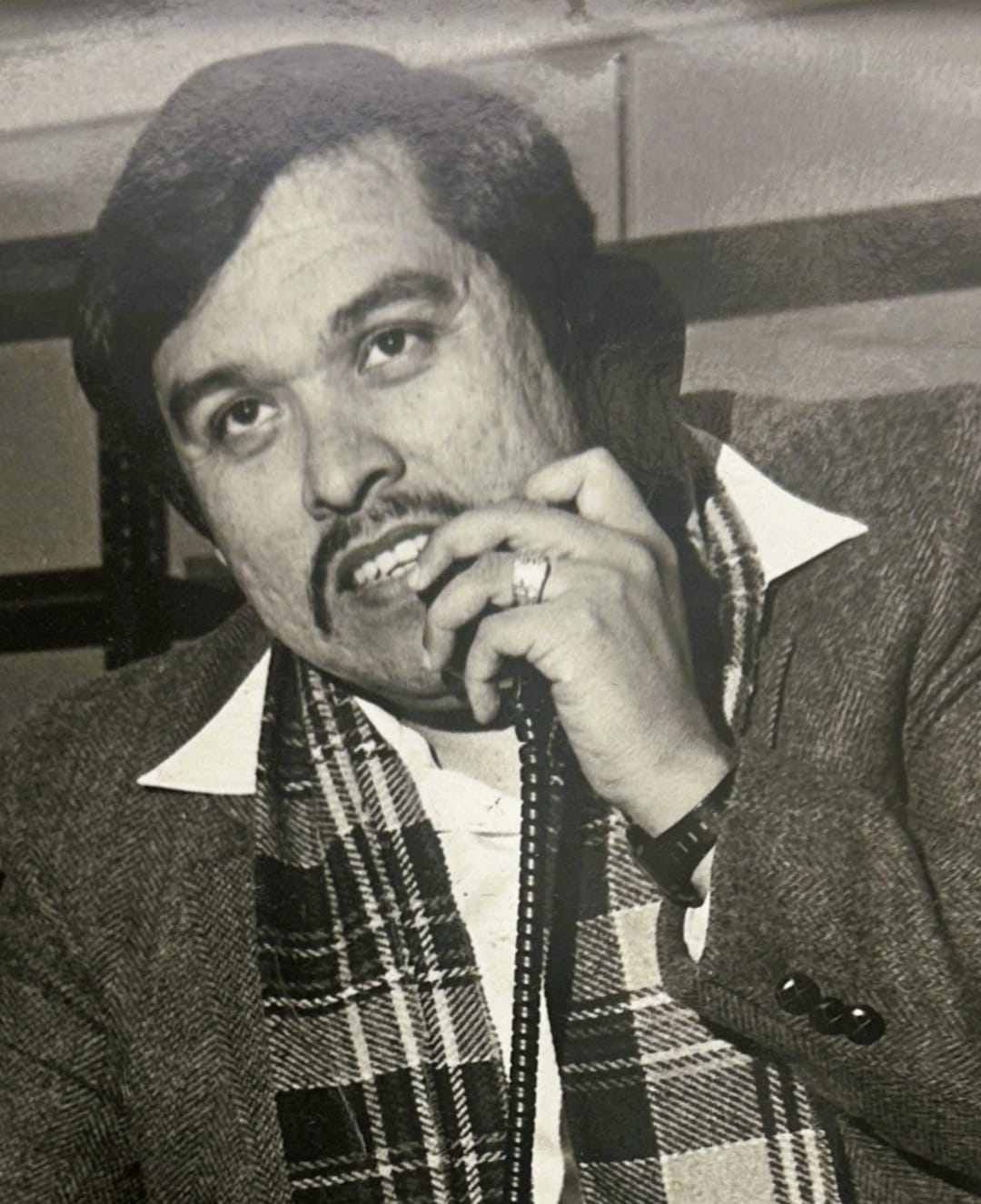
Before stepping into the position at City College, Gonzales was already a pioneer in the local reporting scene. He helped to document the student-led protests at San Francisco State University in 1969, which, after clashing with police batons and riot gear, made history by establishing the nation’s first-ever ethnic studies department.
Gonzales taught a course on media and Latinos in the groundbreaking new department, which eventually led to the creation of his newspaper, El Tecolote, in 1970. Now 55 years old, the publication has endured due to his knack for bringing people together and inspiring others.
However, being a part of the ethnic studies department painted Gonzales as a rebel in the eyes of other faculty members who did not want him to teach in the journalism department at SF State.
“They essentially blackballed me,” Gonzales said. “They said I wasn't mainstream enough since I was teaching ethnic studies, and I had gone to the other side.”
Years later, he received a phone call from the president at City College, who had caught wind of the local legend. There was an opening in the Journalism Department, and it came with being the chair.
“He said, ‘I want you to shape the program as you see fit,’” Gonzales said of their conversation at the time. “He had a lot of faith in me.”
In the spring of 1985, he became chair of the Journalism Department at City College.
[gallery columns="2" size="medium" ids="35153,35154"]
Mentor in the Making
At the college, he found himself working alongside far more people than he ever had at El Tecolote, and discovered a passion for being there to watch them grow. Gonzales could recognize when a student showed promise and would respond by investing the time to encourage them.
“I always found that, especially in a community college setting, you need someone to be there as not only a mentor, but as an inspiration, someone that's going to say things and do things to make them feel that it is possible,” Gonzales said.
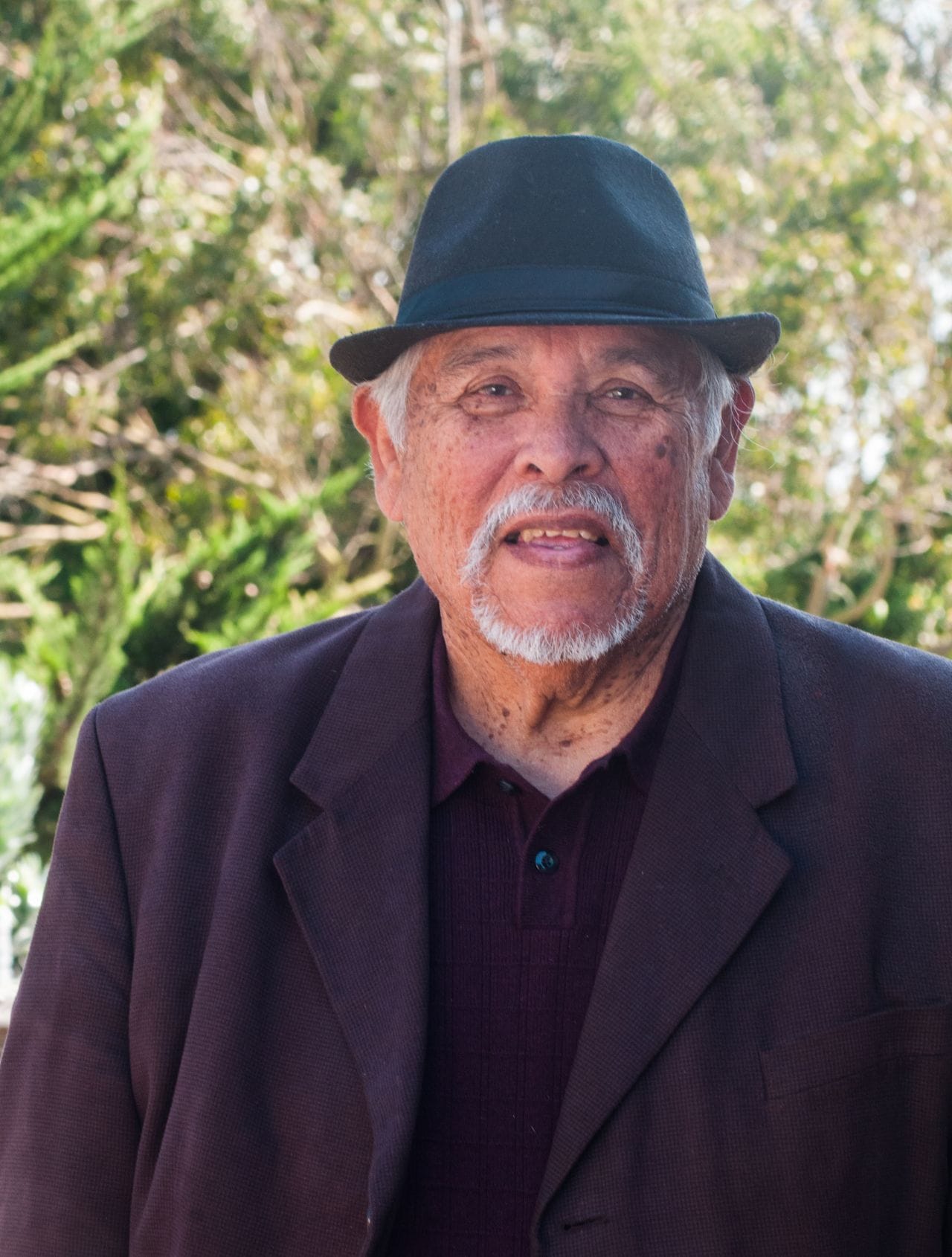
Despite an accreditation crisis and the college’s financial woes, The Guardsman has remained in its bolthole in the Ocean Campus Bungalows. In the heart of it all is Gonzales, often seen in his fedora and aviator shades, going out of his way to make himself accessible.
“He's there for his students, day in and day out,” Mullaney said. I think he had hip surgery back in the day, and he still came in. I don't think he even took a leave.”
Every semester, Gonzales sends out his students’ stories for competition, maintaining that it should be the faculty's responsibility to take the initiative. He acknowledged the work required to stay up-to-date on deadlines and file submissions, and when the awards flood back each time, Gonzales says it's a testament to the training they received from his department.
Gonzales recalled his own beginnings working for his high school newspaper, when he won an honorable mention after his advisor submitted his writing to the San Francisco Press Club contest. This was Gonzales’ first award. “My whole sense of value and confidence just blew up,” he said, blinking back the tears. “If some professional out there feels I have some talent, then I'm gonna stick with it. And that's what I did, it was the recognition that I had worth.”
Jessica Lifland, a photojournalism instructor in the department for 20 years now, said he has a way with his staff just as he does with his students. “He knows me, and he lets me be me,” Lifland said.
His faculty are as loyal to him as his students are, inspired by his dedication to the individuals who walk through his door.
“Teaching is all about service to people, helping people make a difference,” Gonzales said. “And I think that's what instilled in me that this work was not too far from what I was doing with El Tecolote.”
Over time, Gonzales realized that through teaching, he could make an even greater impact than he did with his articles.
“When you write a story, you don't always know if you're touching people or making a difference,” he said. “But when you're in a classroom and you see the people in front of you, and you see them move on and what they do after, you get a sense that you did make a difference, and it was all worth it.”
[gallery columns="2" ids="35152,35155"]
Creating a Culture
Ask any working journalist in San Francisco where they got their start, and Gonzales’ name surfaces.
He can rattle off a long list of writers and storytellers who all got their start on The Guardsman before going on to work at publications like The New York Times, The Atlantic, and The Washington Post.
Joe Fitzgerald Rodriguez, president of the Society of Professional Journalists Northern California chapter and a senior politics reporter for The San Francisco Standard, also got his start on The Guardsman, where he served as editor-in-chief and pushed his staff to compete with The San Francisco Chronicle.
“I’m a proud protege of Professor Gonzales,” said Fitzgerald Rodriguez. “He taught me to talk to everyone – janitors, secretaries, families – not just those in power. More than a decade and five journalism jobs later, I still remember how he taught me to always center community, and to center people, in my coverage.”
Inspired by the path that Gonzales walked before them, many of his students have started their own newspapers in San Francisco, which still exist today, including Sunset Beacon, Richmond Review, and The Ingleside Light.
“San Francisco’s journalism community cares more for the people who live here because of Professor Gonzales. His impact will reverberate immeasurably, decades after he retires…” Fitzgerald Rodriguez said.
The Legacy Continues
The award comes at a time when, after 40 years of service to City College students, he is finally planning to retire. However, his commitment to students has no end.
Wherever they are in their careers, his former students all know he’s never too far from his phone, and they can always call on him when they need him.
“As long as I can breathe and talk, I'm willing to give advice,” he said.
Gonzales’ wish is that whoever takes his place as the Journalism Department chair will recognize the value of engaging with students and build on the atmosphere he’s worked so hard to develop.
“Juan has built a dynasty, really. I'm just glad I was able to go along for the ride,” said Lifland.
Gonzales will be flying to Washington, D.C., alongside Mullaney, to receive his award at the Society of Professional Journalists national convention on Oct. 15.
“You never plan to be a good teacher to get awards and honors,” Gonzales said. “You teach because you love it, and you want to make a difference in people's lives. To be honored like this is just gravy.”
When asked if he had one message to students considering getting into Journalism today, Gonzales replied without hesitation:
“Every story you write is a piece of history. You’re delivering information to people that will be used for years to come. If you have at least an ounce of passion for journalism, if any of that excites you, then give it a shot. Get the skills. Be that storyteller for the next generation. Learn to write, learn to research, and learn how to meet people and conduct interviews. You can use those skills in almost any field, so don't discount it. Give yourself that opportunity.”
Much like when he won his first award back in high school, Gonzales can now close the book on his teaching career with the confidence that not just one, but thousands of professionals across the nation recognize the contributions he’s made to the field, as well as the generations of reporters now writing the history of America that owe Gonzales their careers.