Film Review: Life 2.0 — like life minus the reality
Watching Life 2.0, a documentary about the virtual reality sensation Second Life, was an entertaining thrill, emotionally insightful and satisfyingly voyeuristic.
By Angela PennyThe Guardsman
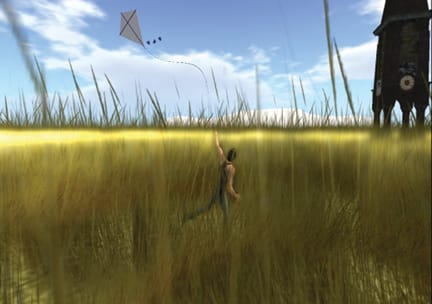
Watching Life 2.0, a documentary about the virtual reality sensation Second Life, was an entertaining thrill, emotionally insightful and satisfyingly voyeuristic.
The juxtaposition of the real and “imaginary” lives of four heavy Second Life users was fascinating. Watching the film was like taking an imaginary vacation to some other planet, with a complete society including beaches and dance clubs, fashion and real estate, friends and strangers. The graphics were very utopian, with clean lines and computer generated images. It was basically a binge of collective imaginations.
Life is much easier in Second Life than it is in the physical world. For instance, while dating in Second Life, a woman gets upset because the private beach won’t allow them to fly.
After this couple failed to make a real-life relationship work, the man speculated that if they hadn’t ventured out of Second Life, they would “have a nice house in Second Life somewhere with lots of friends,” and would probably be still together, emotionally if not physically.
One of the subjects in the film is the fashionable avatar, Asri Falcone, who designs high-end skin, fashion, and housing products for Second Life denizens.
In stark contrast to her avatar, the camera pulls back to reveal the real-life Falcone, snoring in her unkempt bed before her alarm goes off at 6 p.m. All of the subjects in the documentary seem to spend most of their nights staring into a computer.
Living your life as an avatar is like the ultimate in plastic surgery.
In reality Asri Falcone is pretty, but she’s overweight, lives in her pajamas and chain-smokes. She also lives in her parents’ Detroit basement.
Falcone says she earns well into “six figures” by selling her products, but I wonder if that includes decimal points or is in game dollars, since about 250 Second Life dollars is equal to one US dollar. She lives with her parents because they’ve all had some health problems and her mother is an excellent cook specializing in soul food and fried chicken.
Filmmaker Jason Spingarn-Koff also follows a young man strangely obsessed with building a Second Life persona of an 11-year-old girl. At one point this avatar spends time as a suicide bomber and eventually plans her own death.
The documentary doesn’t judge whether ultimately Second Life, is healthy or non-healthy but it definitely has the power to take over people’s lives. For all of the individuals profiled, their Second Life experience was almost more important and more “real” than their physical surroundings.
One of the founders of Linden Labs, the San Francisco-based company that created Second Life, said one of the biggest differences between the virtual world and first life is that you can’t physically hurt someone or be hurt.
The film is not an encyclopedic expose of how to use the tools in Second Life. For me, the virtual experience of the movie was enough to know about what goes on in this “new reality.” And I’m satisfied that I’m not missing out on anything.