District 4 Supervisor: Was Her Qualification Her Father’s?
Mayor Lurie’s appointment of a politically inexperienced supervisor with family ties to a major tech contractor raises questions about corporate influence and the administration’s approach to city governance.
By John R. Adkins
jradproduction@gmail.com
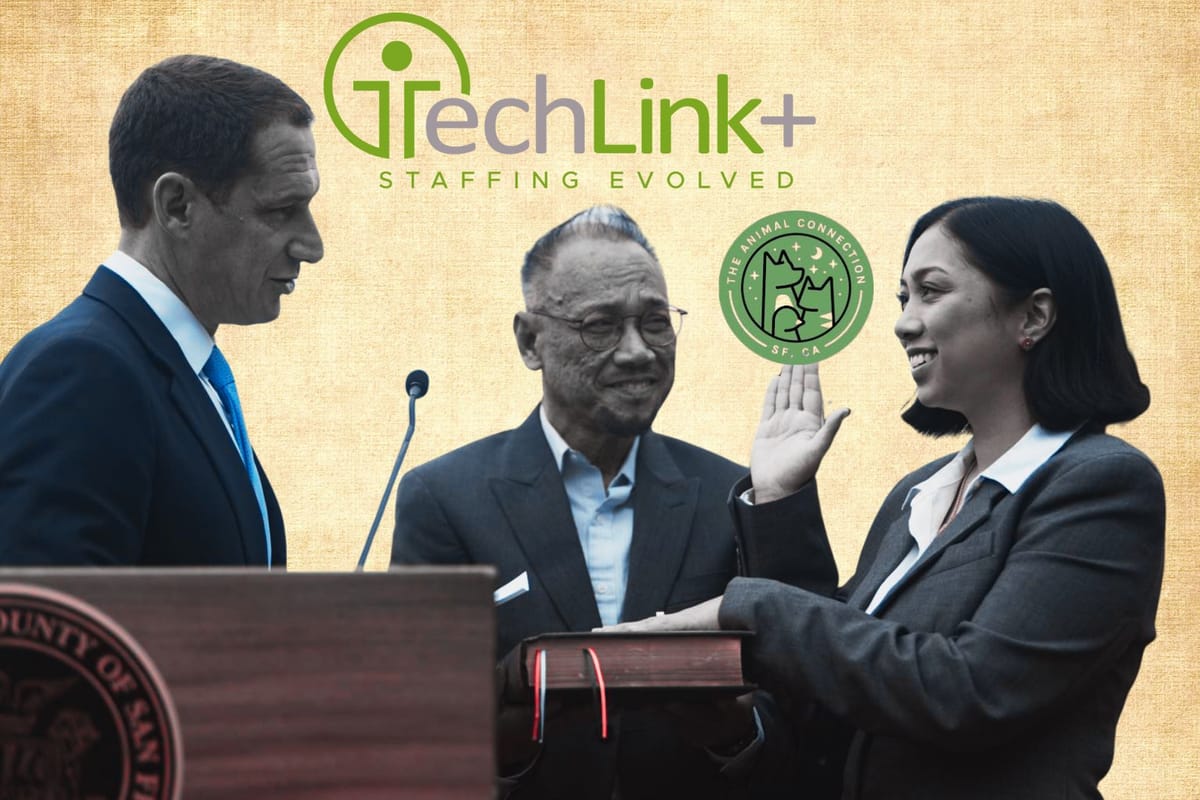
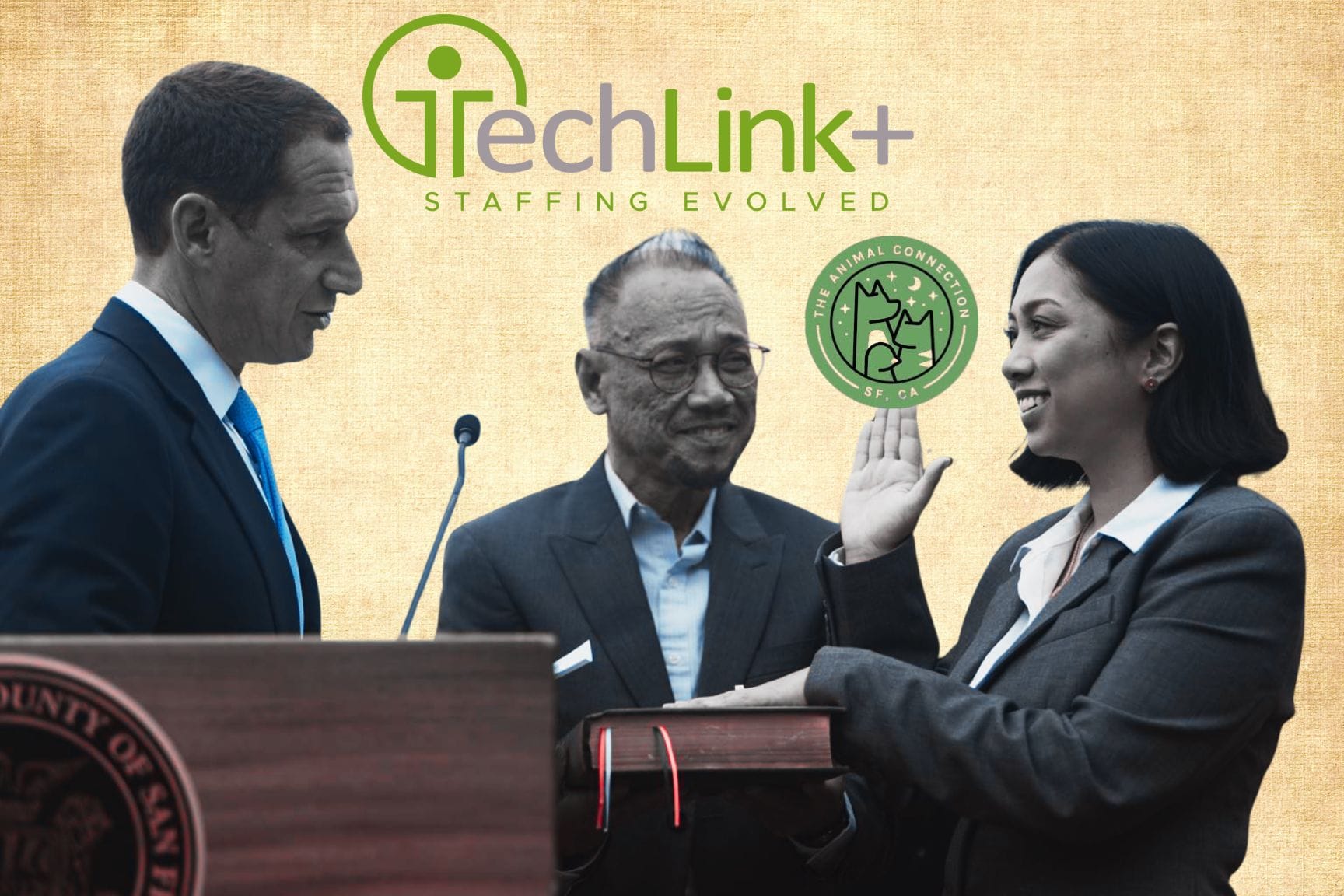
Mayor Daniel Lurie’s vision of a San Francisco on the rise is ever more reliant on his connections to corporate executives. Just weeks after The Standard uncovered Lurie’s family had made investments in OpenGov, the costly company selected to update the city’s permitting system, the mayor appointed the daughter of TechLink Inc.’s CFO as the new District 4 supervisor, a move that could have potentially paved the way for smoother relations with contractors down the line.
After the former supervisor, Joel Engardio, was trounced in a recall election, Lurie was left with full discretion to appoint a new supervisor without the need to publicize a list of candidates. When Isabella "Beya" Alcaraz was announced as his selection for supervisor, people city-wide scratched their heads and asked, “Who?”
The 29-year-old former City College student with zero political background was forced to resign only a week later, after it was revealed that dead animals were stored in her former pet shop’s freezer and she had committed tax evasion by paying employees under the table.
During a press conference announcing the resignation, Lurie declined to reveal any details about the vetting process, but it was reported she was encouraged to apply by “family and friends.”
Alcaraz, the first Filipina-American to serve on the board, took over ownership of the Sunset-based pet store, The Animal Connection, after working there each summer throughout school. This foray into business management, however, was inspired by the work of her father, Ron Alcaraz, who has served as TechLink Systems Chief Financial Officer since 2009. Mission Local reported that Beya’s father, Ron, worked as the athletic director for Holy Name School. Is this the same humble origin story that won over the mayor’s heart at the Sunset Night Market?
To appease his council of corporate executives, which includes the likes of OpenAI’s Sam Altman, Lurie has passed an initiative to expand access to AI tools for city workers and intends to continue updating outdated systems, such as permitting tools.
Ripe for the picking to support this line of work is Alcaraz’s TechLink Systems, Inc., a staffing company that, in July, signed a $7.5 million contract with the city of Palo Alto to offer consulting services to overhaul the city’s IT systems. While investments in the privately held tech vendor would not be public, no record has been found at this time of any financial ties between TechLink and the Lurie administration.
The question of “Why her?” may be answered with the realization that Beya Alcaraz was a perfect storm choice for an administration that appointed the former Twitter CEO as its policy chief. A young, politically inexperienced supervisor whose family’s livelihood is sustained by the procurement of city contracts in the tech industry. Someone who is both a culturally diverse Sunset native – and a potential apologist for Luries' technocratic vision of San Francisco.
The move serves as a continuation of the neoliberal philosophy that the distance between political bureaucrats and an administrative shakeup can be bridged by a handshake with CEOs of Tech companies. The difference? Politicians are interested in their party’s reelection, while the industry moguls are out to project whatever image upholds the confidence of shareholders.
Years ago, the media eroded San Francisco’s own sense of what 'progressive' means. Now, a fear of the left is a fear of being associated with the Chesa Boudins, and more lenient prosecutions for criminal activity. Corporate executives can capitalize on that fear and re-package themselves as the middle-of-the-road solution for the deluded daydreams of tree-hugging “progressives”; meanwhile, continuing to insulate themselves with policymakers who will protect their own interests.
With Lurie's approval rating over 70% and a pricey PR team to steamroll the voters with the “Make SF Great Again” platform, the city has to stop and ask itself: Is the tech-bro-centric, pre-pandemic San Francisco the version we all want to return to?