Could a Transit Pass Be in City College Students’ Future?
CCSF students push for a transit pass as rising fares and looming Muni and BART cuts make commuting to campus increasingly costly.
By Lev Farris Goldenberg
Like many students, Angelica Campos takes public transit to the Ocean campus every week. At times, that has meant making a sacrifice.
“I've had to pick between paying fare or, when I'm on campus, buying lunch,” Campos said.
According to a 2018 survey by the City College of San Francisco on modes of transportation among students, 48 percent of students used transit. As Student Trustee for City College, Campos knows the cost of transit can be one extra burden heaped onto students with already full plates.
“We believe transit is another important basic need beyond just food, beyond just housing, that we don't really talk about in the education world,” Campos said.
That is why Campos has advocated for a transit pass for City College students.
In June of 2024, the Board of Trustees approved a Green New Deal for City College, which called for the college to “promote mass transit methods, including free public transit for students.”
At the time, Board of Trustees member Aliya Chisti told S.F. Transit Riders that the college hired a coordinator to support its transportation goals. The Guardsman was unable to confirm this hiring with the College before the time of publication.
In May of the same year, Senator Alex Padilla earmarked $1,000 in discretionary funding to establish a transit pass pilot program. According to Chancellor Kimberlee Messina, that pilot program has not gotten off the ground.
Funding a transit pass
This summer, Chancellor Kimberlee Messina met with Campos, Student Chancellor Heather Brandt, and a representative from BART to discuss potential funding methods for a transit pass.
Messina asked the group to provide her with a plan for the pilot program, including a budget and the number of students it would include.
“I'd love to have students have free transit,” Messina said. “But again, without knowing where the funding is coming from, how much it is, and what it would cost, I couldn't make a commitment on that.”
The push for a transit pass comes at a crucial time for local public transit.
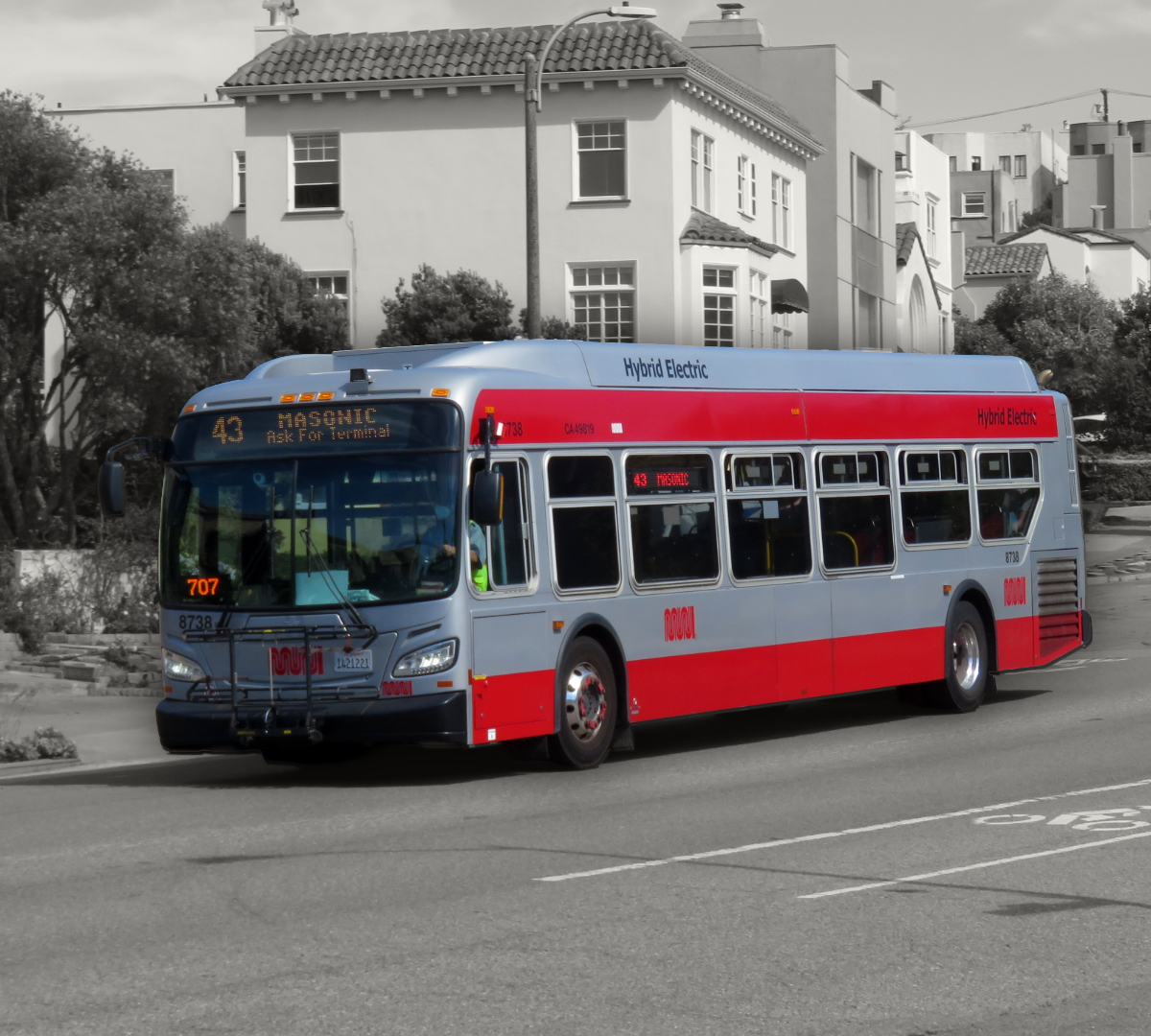
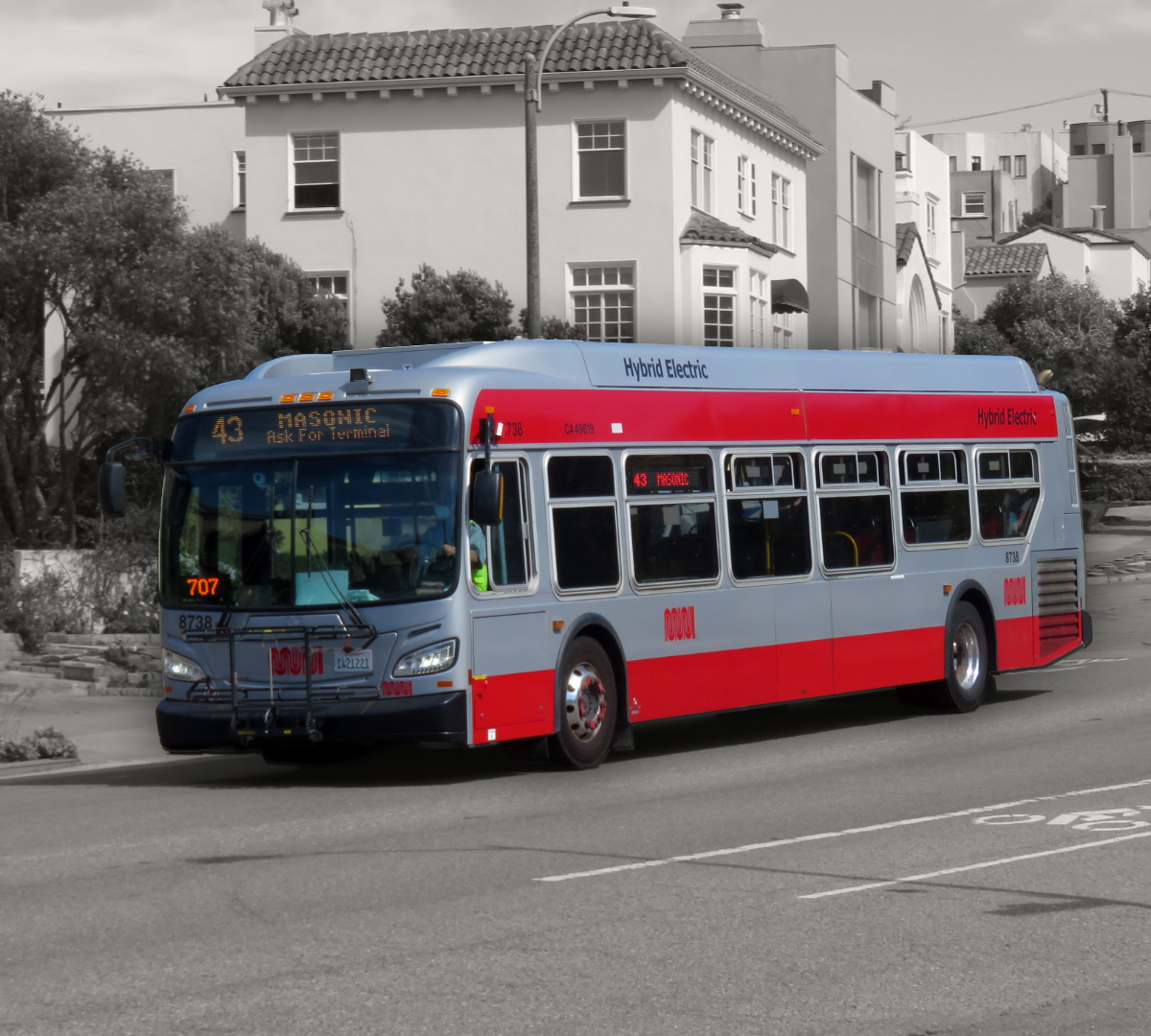
SFMTA is facing a $320 million deficit starting in July 2026. If funding cannot be secured, Muni could be forced to cut service frequency by 50 percent, eliminate service after 9 p.m. and cancel fare subsidies. BART would also cut service by an estimated 65 to 85 percent.
During September, Transit Month in the Bay Area, SFMTA has been on a rollercoaster ride of negotiations to secure funding.
First, Governor Gavin Newsom reneged on his promise to provide SFMTA with a $750 million loan during this legislative session. Then Mayor Daniel Lurie announced that the stopgap loan from the state was back on the table, with a goal of reaching a deal by this fall. Lurie also backed a proposed 2026 ballot measure that would help fund Muni with a parcel tax on businesses.
Even if any of the ideas to save the SFMTA prove successful, City College students could still be facing the same old problem: getting to school without breaking the bank.
Other Colleges Cover the Commute
Other public and private universities in the city provide transit passes to their students, such as San Francisco State’s Gator Pass. The Gator Pass acts as an all-in-one transit card for the Bay Area, allowing users to take unlimited rides on BART, Metro, buses, and ferries.
University of San Francisco undergraduates who pay a $310 transportation fee as part of their tuition receive a USF Muni pass that is good for unlimited rides on Bay Area transit during each semester.
University of California, San Francisco (UCSF) provides unlimited access for students to any service that uses Clipper.
“City College students already have to really consider transportation as a huge cost,” said Jing Shi, a member of the Protect Free City student group. “And to know that certain lines will be cut, I think it only adds more uncertainty to students.”
In May, Protect Free City set forth a list of demands for Mayor Daniel Lurie, including full reinstatement of Free City’s funding. They hope the program’s full funding, should it be renegotiated, could be used to provide transportation support for students.
The 2025 San Francisco City budget maintained Free City’s funding level at $9.3 million — the same as last year — just enough to cover free tuition for all San Francisco residents. If the College is to fund additional basic needs services, such as a transit pass, Free City will likely have to be expanded, not just maintained.
Lurie’s proposed budget for 2026 would further cut Free City funding to $7.15 million.
Between the looming transit budget deficit and recent fare hikes, the prospect of losing affordable transit weighs heaviest on those with the least to spare. As Shi put it, “Any time that public transit is at risk, it’s always the working-class students that bear the most burden.”