ARTX Building to Receive Smart Classroom Upgrades After Long Shutdown
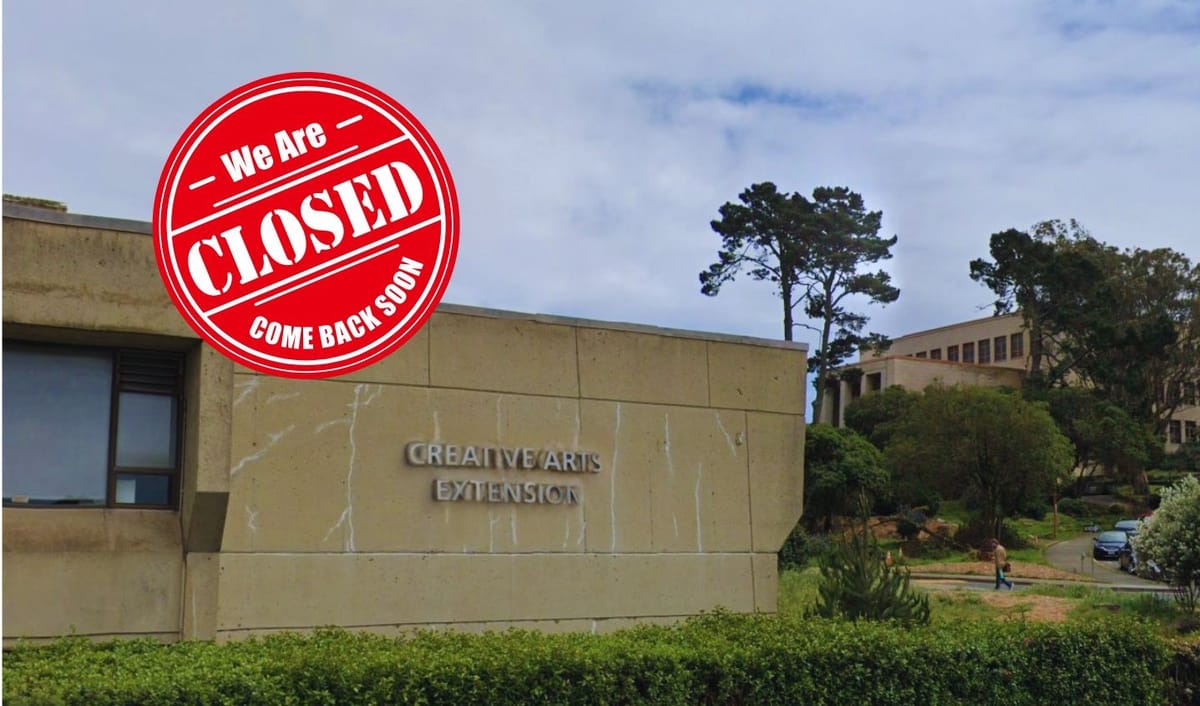
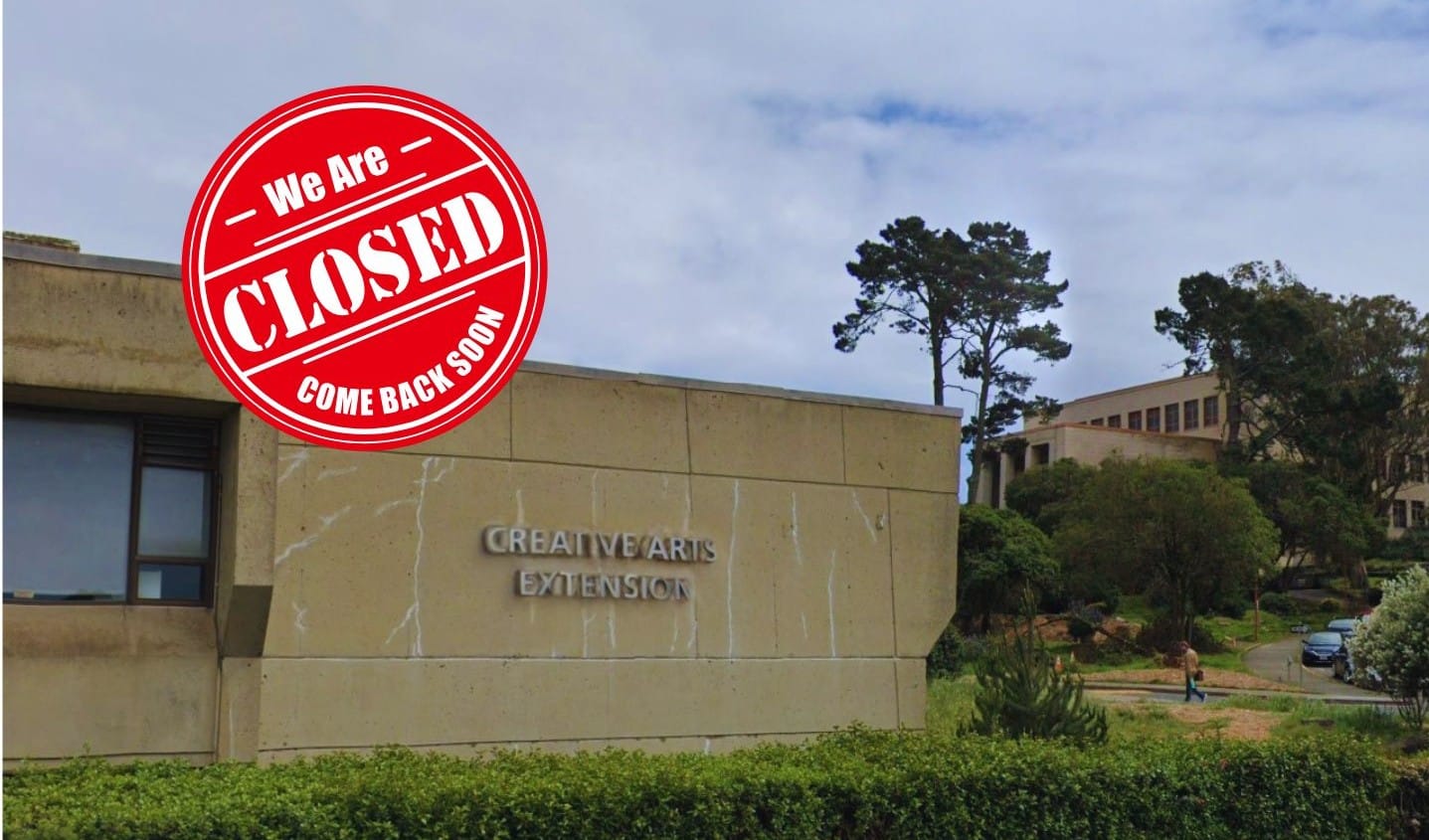
The upper level of the Creative Arts Extension has been closed since 2020 and is waiting on further upgrades before reopening.
By Danielle Flores
Classrooms on the top floor of the Creative Arts Extension (ARTX) building, which have been largely vacant since the coronavirus pandemic, may be reopened and upgraded to smart classrooms, according to the Associate Vice Chancellor of Facilities and Capital Planning, Alberto Vasquez.
The years of vacancy are a result of unresolved issues with the building’s electrical and heating systems.
Vasquez confirmed that IT will be involved in the smart classroom technology upgrades, with plans to update the general classrooms on both the top and bottom floors. The plan is to model the classrooms after the technology in STEAM 102 and 104 (but on a smaller scale due to the size of the ARTX classrooms).
A smart classroom includes overall technology upgrades, as well as a “faculty station” with a desk that can be raised and lowered, HDMI connections, a console to turn on the projector and a document scanner, similar to the old overhead projector but digital. The document scanners are identified by their reddish tops and are currently referred to as “ladybugs.”
According to Vasquez, this upgrade would not include the rooms in the Broadcast Electronic Media Arts Department (BEMA) that are located on the bottom floor, due to them being “functionally different.”
When the ARTX general classrooms went offline, Vasquez said the classes were spread to different locations, wherever classrooms were available. He said the second floor of the Student Health Center (HC), the 800 Bungalows at the Judson Village Bungalows (JDVL), and possibly the Creative Arts (ART) building received some classes.
Vasquez said they are upgrading the classrooms to increase demand and usage.
The classrooms went offline during the coronavirus pandemic. When students returned to campus and the ARTX classrooms reopened, heat could not be delivered to the classrooms because the building's boiler was out.
“The heating project is looking to be completed at the end of this year. They’re working on it now. It's fenced off. The good news is there will be heating available this spring,” Vasquez said.
In addition to the heating issues, there have also been electrical problems at ARTX.
“We had an emergency board item to allow us to contract a vendor to bring a generator and start investigating the issue with it. We ended up replacing almost the entire electrical system in the electrical room,” Vasquez said.
Once Vasquez and his team found they had the problem and that it could not be solved internally, they got the generator so BEMA could have their instruction happen.
Currently, BEMA is the only department that has classes at ARTX.
When asked whether BEMA was affected by the electrical problems and the heating system going down, BEMA Department Chair Malcolm Cecil confirmed that the department has its own independent heating and cooling system due to the unique needs of its equipment.
Cecil said the electrical issues led to at least four or five shutdowns for the department, during which power was interrupted entirely, including the time the generator was installed. Cecil said that all of BEMA’s tech staff had to unplug all of the recording devices and equipment in the studios whenever there was a shutdown.
“By the time the fourth or fifth time rolled around, they were pretty fed up with having to go through every lab and unplug everything,” Cecil said.
Cecil explained that some of the equipment has specific shutdown routines, and a lot of their devices had to go through a “turn off and then turn on protocol.”
“What you don’t want is to have a big surge of power blast into the equipment, which is why they unplugged it all. But I’m not sure they unplugged every time it happened, which is risky. With professional equipment, you shouldn’t mess with the power,” Cecil said.
At some point, the generator company recommended replacing the generators due to frequent power outages, according to an email Cecil received on Nov. 27, 2024.
When asked about the electrical shutdowns, Vasquez confirmed there was a glitch in the first generator. The first generator needed repairs, and they ended up swapping it out with another generator. The generator was a temporary measure to keep BEMA operational until the electrical room project was completed in Spring 2025. Since becoming chair in July, Cecil has not seen any more electrical issues.
BEMA shares a grant, administered by the Mayor’s Office, in which they have two educational access cable television channels on the Comcast cable system, channels 27 and 75. Content is primarily purchased by BEMA and broadcast via antennas located in the building.
“When we lose power, those just channels just cut out,” Cecil said.
Susan Boeckmann, a classified professional in the Broadcast Department, said that, in addition to power issues, there was a prior problem with the sliding doors not closing.
Vasquez said the sliding doors are problematic and that ARTX plans to replace all sliding doors with operable, regular-swing doors, similar to those at Smith Hall. This will be alongside their next fall target plans of upgrading to smart classrooms.
“I think it’s great that the college is modernizing its teaching spaces,” Cecil said. “It would be nice to have more life here in the building.”