City College’s Plans to Increase College Enrollment During a Time of Construction
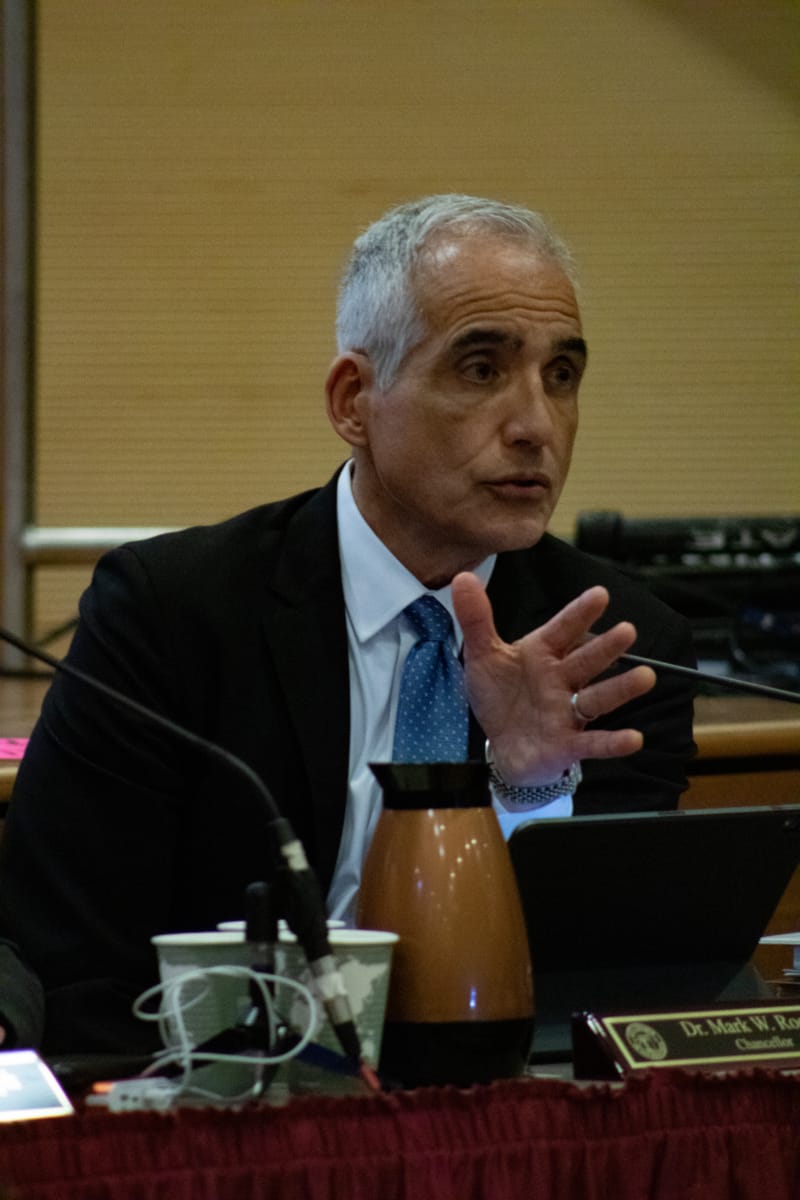
Chancellor Mark Rocha attended the Academic Senate meeting on March 4 at Ocean Campus to assure the faculty that plans were underway to increase enrollment since enrollment typically declines during times of major construction.
By Aminah Jalal
nima96290@gmail.com
Chancellor Mark Rocha attended the college’s Academic Senate meeting at Ocean Campus to answer to the senate’s plan to stabilize and grow enrollment during a time period of declining enrollment.
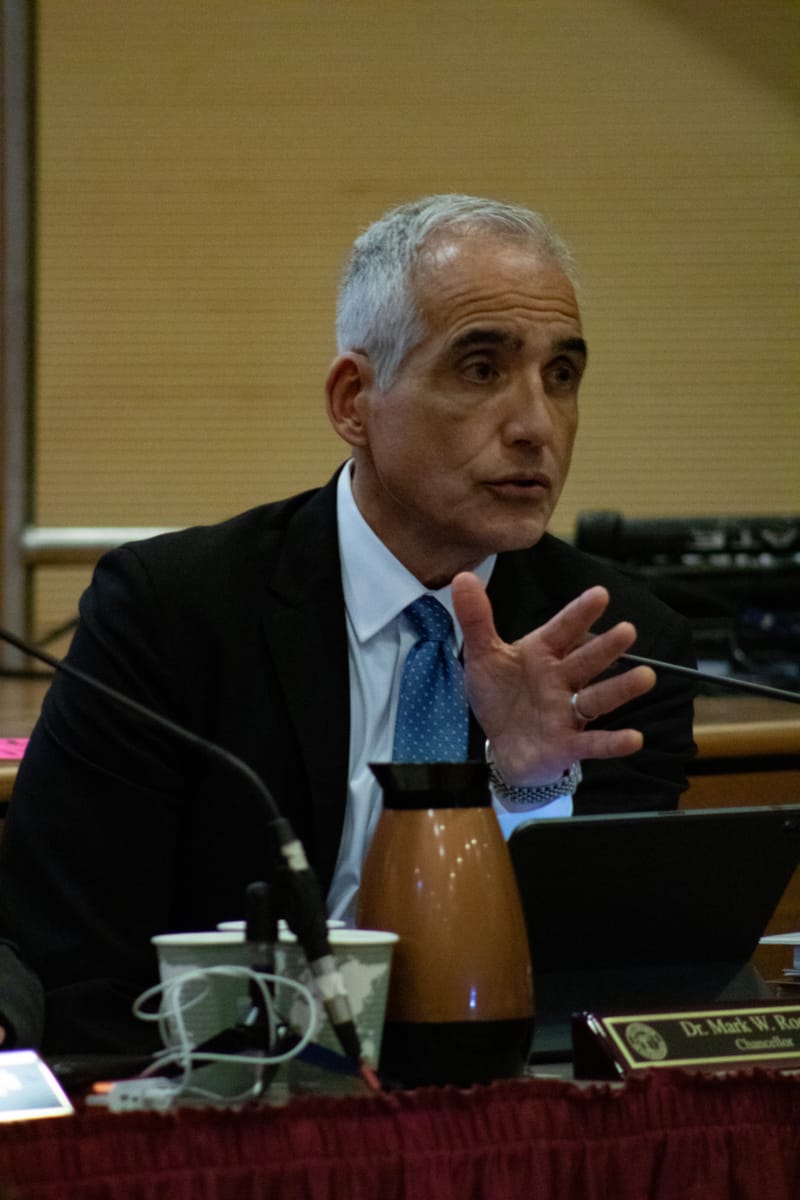
The meeting was one day after the passage of Proposition A, allowing the college to spend $845 million for building repairs and equipment. There are seven projects already approved for contracting. However, enrollment typically declines during times in which there are transitional facilities and difficulty navigating due to the grounds undergoing large construction. This is why the Senate wanted to raise the issue of declining attendance with the chancellor.
According to a handout that Rocha distributed at the meeting, “enrollment declines during major construction projects when there are no plans for swing space, mitigation of parking and provision of food service.”
“We do not have comprehensive plans in place,” Rocha said. “Many buildings which are not in use may be swinged so that construction takes place, mitigation of parking may involve shuttles, may be paid for in the bond, or clipper cards.” Continued food service may also be planned to occur so college-goers are comfortable during this period.
There was no audible reaction from the faculty attending, only listening with crossed arms and skeptical looks.
Rocha assured the faculty that plans were underway to increase enrollment. During the stabilizing enrollment process is a ten-step decisive action plan to grow the college by 50% to get $50 million a year.
In the future, there will be more emphasis put on degree and workforce certificate programs that are delivered in convenient, supported formats for working adults, the only growing demographic over the next ten years. One goal of the construction is to increase the capacity of high demand (and high-cost) workforce programs, such as health care, automotive technology, construction, and computer science.
Among the programs to be advanced is the Promise Program, which they hope to increase in recruitment of the declining number of high school seniors with “one-click” 21-month registration.
"The future is about scheduling programs,” Rocha said. “Not courses.”
Rocha also spoke of possible adjustments being made to the Free City program in order to include former San Francisco high school graduates regardless of their current residential status.
The curriculum flexibility style of the WADP (Working Adults Degree Program) scheduling is planned for use, offering to create a 21-month revolving carousel for all programs in order to increase enrollment and capacity.
By doing this, part-time students who have to work and take care of their family and wish to be full-time students are given space in their schedule to take on more units in a semester. Modification of the college’s default “opt-out” option for financial aid application may also help to support part-time students who may struggle with balancing their work and academics.
“Financial aid should not be optional,” Rocha said. “We need to retool our website and retool our IT system so students have to say they do not want financial aid.”
In the plan is also reinstituting 1% marketing advertising budget, $2 million annually, in order to better promote the college as well as expand City Online in order to increase out of the city, state, and international enrollment.
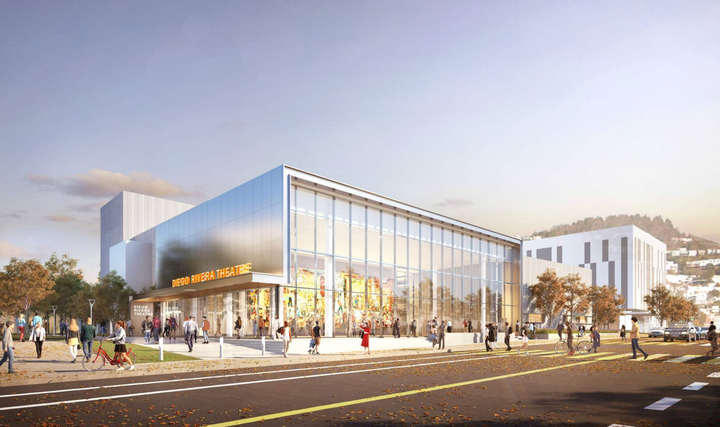
Rocha noted that there will be change and adaptation as the college has never experienced anything like this before in which the construction will be “literally changing the whole heart of the campus”.
“There may be an emotional problem for a while until we adapt to it,” Rocha said. “Until it becomes the normal.”